Painting the Story - How Cave Art Became the First Visual Medium
Before there were novels, there were cave walls. Early humans used art to record hunts, rituals, and shared experiences, turning stone into the world’s first storytelling canvas. This piece explores how cave art changed storytelling forever.
Stories Etched in Stone
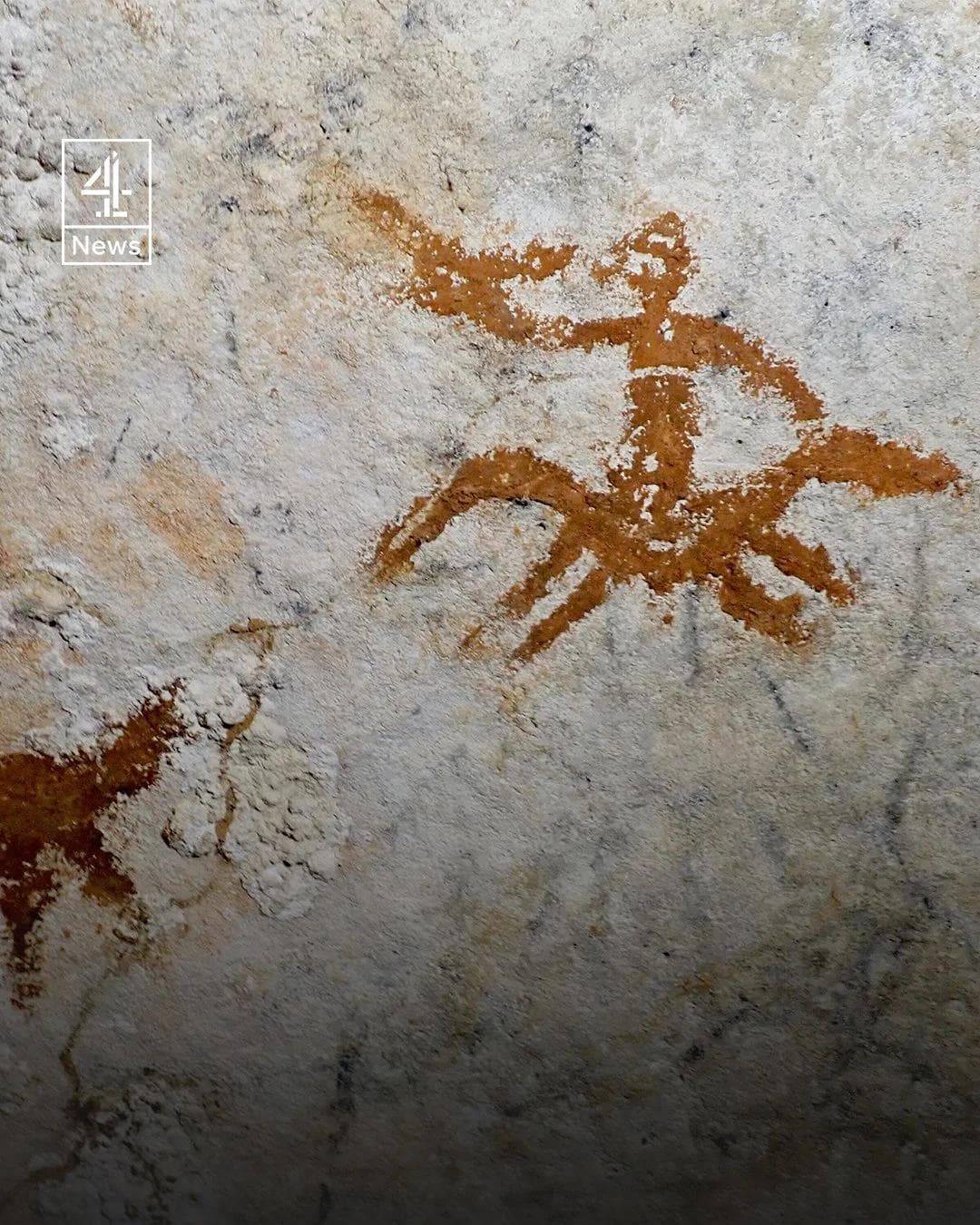
Long before humans wrote words or told epic tales out loud, they told stories with images. Deep inside caves - lit only by flickering firelight - early humans painted scenes of hunts, rituals and symbols onto stone walls.
These weren’t decorations, they were stories. Visual records of experience, belief and survival. Cave art marked humanity’s first leap into visual storytelling - a way to capture moments and meanings that could last far beyond the storyteller.
In this chapter, we explore how cave art became the earliest visual medium for storytelling and why these ancient images still speak to us today.
Where Cave Art Began
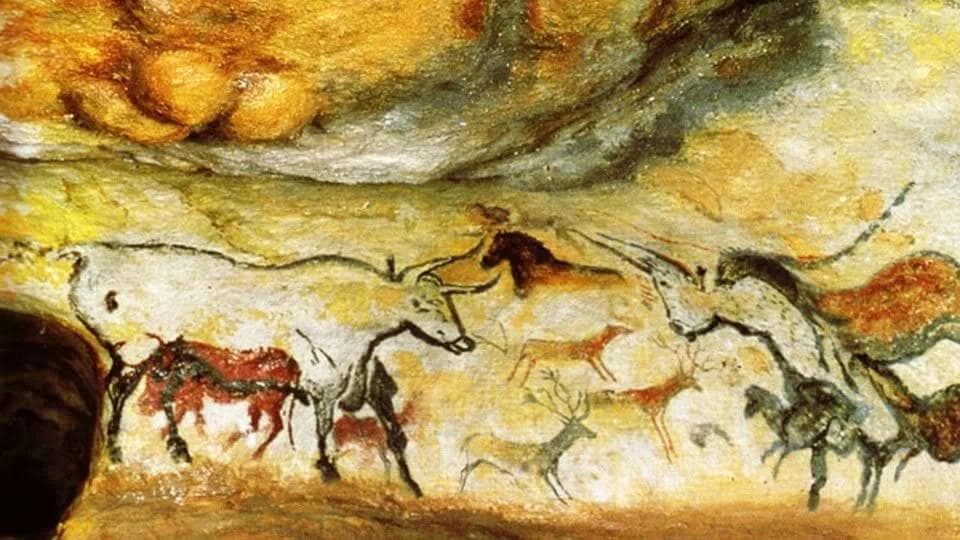
Cave art dates back tens of thousands of years, with early examples found across Europe, Africa, and Asia. These paintings and carvings often depict animals, humans and abstract symbols - giving us rare glimpses into how early humans saw their world.
Some of the most significant discoveries include:
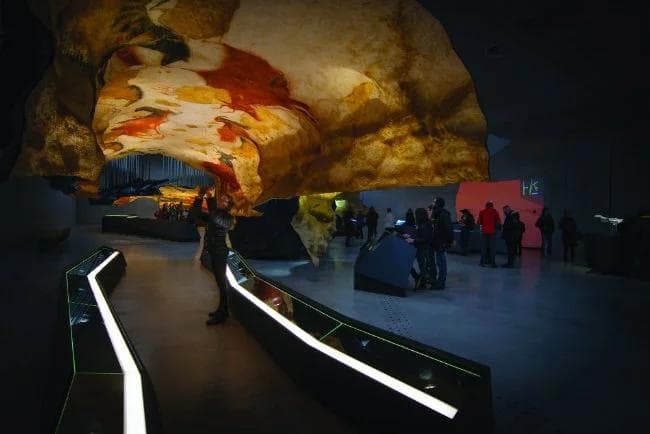
- Lascaux Caves, France (±17,000 years ago): Vivid paintings of horses, bulls and deer, often linked to hunting or spiritual belief.
- Blombos Cave, South Africa (±73,000 years ago): Carved ochre pieces suggesting early symbolic thinking and communication.
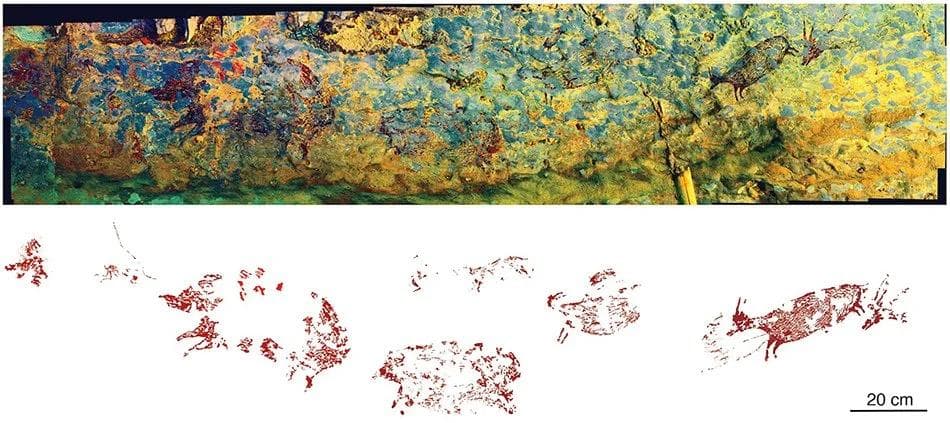
- Sulawesi, Indonesia (±44,000 years ago): Hand stencils and hunting scenes that show how visual storytelling spread globally.
Archaeologists believe these images formed a shared visual language - one that may have been used for rituals, teaching or reinforcing communal myths (Clottes, 2010).
Why Painting Changed Storytelling
Cave art represented a huge shift in how stories were told. Unlike gestures or spoken word, images could stay put, preserving meaning long after the moment passed.
Why visual storytelling mattered:
- Permanence: These stories didn’t disappear when the storyteller left. They stayed, sometimes for tens of thousands of years.
- Shared meaning: Images could be understood by different groups, even without a shared spoken language.
- Symbolic thinking: Abstract marks and repeated motifs show early humans thinking beyond the literal.
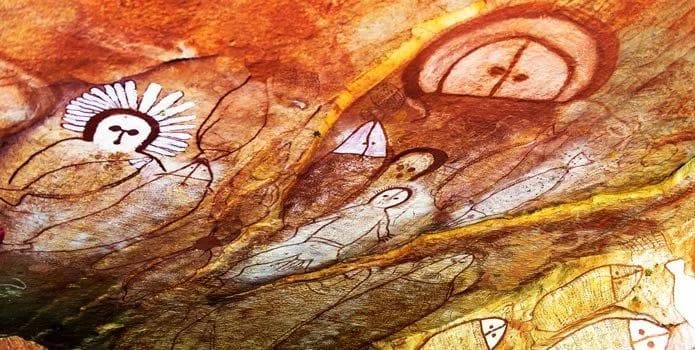
Similar traditions still exist. Aboriginal rock art in Australia - including Wandjina figures - remains a living storytelling practice, linking ancient imagery with present-day cultural identity.
What Were These Images For?
We may never know exactly why early humans created cave art, but several strong theories give us clues:
- Ritual and spirituality: Many images appear in hard-to-reach cave areas, suggesting ceremonial or spiritual significance.
- Teaching and learning: Paintings may have helped explain animal behaviour, hunting techniques or survival knowledge.
- Cultural identity: By returning to and adding to these images, communities created a shared visual history.
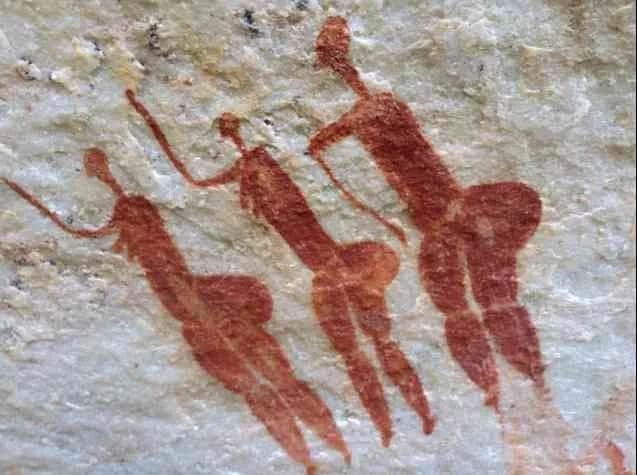
In southern Africa, San rock art often depicts trance dances and shamanic practices, reinforcing the idea that images were deeply tied to belief and storytelling (Bradshaw Foundation).
How Early Artists Did It
Despite limited tools, early humans were remarkably skilled artists.
- Natural materials: Pigments came from ochre, charcoal and clay, often mixed with animal fat or water.
- Movement and perspective: Overlapping figures and dynamic poses suggest motion and storytelling, not static scenes.
- Hand stencils: Found worldwide, these marks feel deeply personal - like early signatures saying I was here.
Research from the Max Planck Institute shows that creating these pigments required advanced knowledge of materials and tools, proving early humans were far more technically capable than often assumed (Hoffmann et al., 2018).
The Legacy of Cave Art
Cave art remains one of the clearest expressions of humanity’s need to tell stories. Its influence lives on in:
- Modern art: Abstract and symbolic styles often echo the simplicity and emotion of early cave paintings.
- Cultural preservation: Indigenous communities worldwide continue rock art traditions today.
- Archaeology and research: These images offer invaluable insight into early belief systems, creativity, and daily life.
UNESCO now protects major rock art sites as World Heritage locations - recognising them as some of humanity’s earliest cultural records.
Try It Yourself: Think Like an Early Storyteller
Reconnect with visual storytelling through these activities:
- Create your own cave art: Use charcoal or chalk to draw animals, symbols or hand stencils. What story are you telling?
- Explore caves virtually: Take online tours of sites like Lascaux and learn how these stories were made.
- Look locally: Research rock art near you and explore how storytelling took shape in your region.
From Images to Symbols
Cave art allowed stories to live beyond the moment - fixed in stone rather than memory. But as societies grew and ideas became more complex, humans needed new ways to record meaning with precision.
That need eventually led to symbols, writing and the next great shift in how stories were told.
References
Clottes, J. (2010). Cave Art: A Cultural History. Quaternary International. https://doi.org/10.1016/j.quaint.2010.08.001
Hoffmann, D. L., et al. (2018). U-Th Dating of Carbonate Crusts Reveals Neandertal Origin of Iberian Cave Art. Science. https://doi.org/10.1126/science.aap7778
Australian National Museum. Rock Art and Aboriginal Storytelling.
Bradshaw Foundation. San Rock Art in Southern Africa.
UNESCO. World Heritage Rock Art Sites.